
The annual “Legal Trends” issue offers an opportunity to preview the year ahead, with perspectives from Wisconsin lawyers in the trenches. In this issue, 21 lawyers – leaders of State Bar of Wisconsin sections – offer insights in 21 different practice areas.
Some clear patterns emerge. Wisconsin lawyers enter 2026 facing a landscape defined by disruption, innovation, and rising client demands. Across every corner of practice, attorneys are adapting to a year driven by tighter budgets, shifting regulatory authority, and clients who increasingly expect accessible, technology-enabled legal services.
 Joe Forward, Saint Louis Univ. School of Law 2010, is communications director for the State Bar of Wisconsin, Madison. He can be reached by email or by phone at (608) 250-6161.
For legal professionals on the ground, the most pressing developments are not abstract – they show up in caseloads, client counseling, billing structures, and courtroom procedures.
Technology remains both a lifeline and a liability. Together, these trends offer a preview of how Wisconsin lawyers will work, advocate, counsel, and serve clients in the year ahead.
Elsewhere in these pages, explore how paralegals and law firm administrators are approaching new technology, and don’t miss Jordan Furlong’s view of “Three Core Attributes of Tomorrow’s Lawyers,” in addition to other topics. Happy New Year!
Administrative & Local Government Law

“One recent trend expected to continue is local government – including school districts, towns, villages, cities, and counties – evaluating how to best provide necessary services to their constituents within a myriad of financial and political constraints,” said Thomas Cameron, an attorney at Attolles Law S.C., Waukesha, and chair of the State Bar of Wisconsin’s Administrative and Local Government Law Section.
“We’ve begun to see more cooperation among local governments in providing services. This should continue, aided by the Innovation Grant program, created by 2023 Wisconsin Act 12, which provides grants to municipalities and counties to further incentivize the consolidation of services or duties in a way that provides savings.
“Expect local governments to continue to explore all possible avenues to increase revenues, especially to support ongoing operational costs. For years, school districts across the state have asked their constituents to approve referenda for operational purposes. In 2025, 62 school districts sought approval of an operating referendum. Operating referenda have been much less common among municipalities – there were only 14 such referenda in 2025 – but may become more common in coming years, as municipalities continue to look for additional funding sources for their operational costs.”
Appellate Law
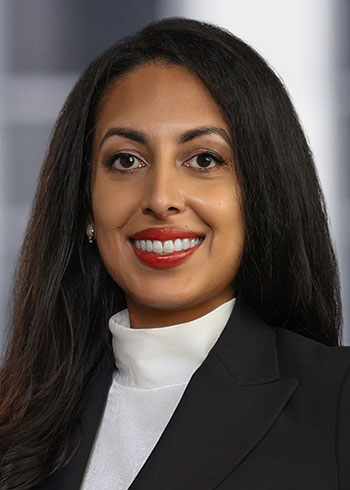
“Wisconsin appellate courts continue to decide fewer cases than in prior decades,” said Sopen Shah, a partner at Perkins Coie LLP in Madison and treasurer of the State Bar’s Appellate Practice Section. “The Wisconsin Supreme Court issued 21 opinions resolving 21 cases in the 2024-25 term – about 50% more than the prior term but still below its recent annual average of roughly 50. The Wisconsin Court of Appeals terminated 662 cases by opinion in 2024 and 562 as of October 2025, a number down sharply from 1,398 in 2001.
“Looking forward, the Wisconsin Supreme Court might modify the state’s approach to statutory interpretation from State ex rel. Kalal v. Circuit Court for Dane County. A petition for review filed in August 2025 in Abby Windows v. LIRC expressly invites the court to revisit Kalal. This follows Justice Rebecca Dallet’s concurrence in SEIU Healthcare Wisconsin v. WERC, joined by three justices, which questioned the framework in Kalal while noting the case was not being overruled because the parties had not asked.”
Business Law

“Compliance may not be the most exciting aspect of practice, but in 2026 it remains a critical area of focus for business clients,” says Samantha H. Baker, a shareholder at Axepoint Law in Milwaukee and a member of the State Bar’s Business Law Section board.
“Regulatory developments continue to evolve, and attorneys must be proactive in guiding companies through these changes. In 2025, corporate counsel concentrated on several major developments: Beneficial ownership information (BOI) reporting under the Corporate Transparency Act (CTA), the introduction of the Wisconsin Data Privacy Act, and the rapid adoption of artificial intelligence across diverse industries.
“As we enter 2026, these issues are far from settled. Attorneys should closely monitor legislative and regulatory updates involving BOI, data privacy, and AI governance.
“Keeping clients in the know will ensure that when the time is right, clients are prepared to review and update their internal policies and compliance frameworks to protect their businesses.”
Children & the Law

“Since the passage of 2017 Act 185, Wisconsin has been transitioning to a model of smaller, regionalized youth correctional facilities,” said Amanda Roush of the State Public Defenders Office in Wauwatosa and chair of the State Bar’s Children & the Law Section.
“Those facilities are divided into ‘Type 1’ facilities managed by the Department of Corrections and county-run secure residential care centers for children and youth (SRCCCY). In May, Racine County opened the state’s first SRCCCY serving boys only. Milwaukee opens the second facility in March of 2026. Unfortunately, services and placements for girls in the youth justice system remain scarce, and currently it is unclear whether any of the SRCCCYs will serve girls.
“Parent-peer advocates in child welfare are a recent national trend. Parent-peer advocates are parents with lived experience in the child welfare system who serve as mentors for families already in the system. Recent studies show that parent-peer involvement increased successful reunification and fostered a family-centered approach. Wisconsin DCF does not yet have a robust program, but is interested in expanding.
“In 2026, practitioners will still be grappling with State v. H.C., a 2024 decision in which the Wisconsin Supreme Court held that there is no burden of proof in a TPR [termination of parental rights] dispositional hearing. Rather, ‘the best interests of the child governing the dispositional phase of a TPR proceeding constitutes a discretionary determination by the circuit court and the statute places no burden of proof on a particular party.’ Circuit courts consider the six factors listed in Wis. Stat. section 48.426 when determining the appropriate disposition.”
Civil Rights

“Free speech on social media sits front and center in the world of civil rights this year,” according to Christine Donahoe, shareholder at Hawks Quindel S.C., Milwaukee, and chair-elect of the State Bar’s Civil Rights & Liberties Section.
“More public institutions are firing employees for off-duty speech about issues of public concern, such as Charlie Kirk, the war in Gaza, and LGBTQ rights. In this modern age, social media platforms serve as digital town squares, but recent cases suggest that individuals may have fewer protections for speech made on social media than speech made at protests in the streets.
“Will courts consider the consequences of limiting free speech when protests increasingly take place online? In analyzing what speech causes such substantial disturbances such that termination is justified, will courts consider that some organizations and individuals exist for the purpose of publicly outing, shaming, and harassing people for speech intended for a private audience? By the time litigation answers any of these questions, we will have unimaginably different technology that raises new questions.”
Criminal Law

“In 2022 and 2024, the U.S. Supreme Court decided the Bruen and Rahimi decisions,” said Kevin Smith, an attorney with the State Public Defenders Office in Janesville and chair of the State Bar’s Criminal Law Section.
“The cases announced and then clarified a new analysis courts must use when considering challenges to arms restrictions under the Second Amendment to the U.S. Constitution. Unsurprisingly, this change inundated lower courts and state courts with new challenges to criminal statutes. Wisconsin was no exception. The new Bruen test conflicted with existing precedent in Wisconsin. Trial courts throughout Wisconsin have been grappling with this new test, often coming to conflicting results, ever since.
“More challenges and further clarification from state and federal courts will likely come in 2026. The U.S. Supreme Court, in the pending U.S. v. Hemani case, and the Wisconsin Court of Appeals will be issuing decisions practitioners would do well to watch for as courts grapple with this evolving area of constitutional law.”
Dispute Resolution
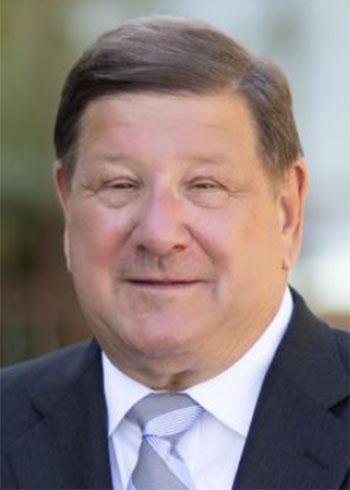
“Online dispute resolution (ODR) platforms have become one of the most transformative developments in modern ADR [alternative dispute resolution],” said attorney Michael Jasek, a personal injury attorney at Martin Law Office S.C., based in Oak Creek, and member of the State Bar’s Dispute Resolution Section board.
“These systems integrate videoconferencing and secure document exchange into a single user-friendly interface. ODR platforms allow parties to share evidence, communicate with neutrals, and participate in mediation or arbitration hearings without ever entering a physical conference room.
“A major benefit is accessibility: individuals in remote locations, parties with mobility limitations, and individuals with limited transportation resources can all engage more easily. Another benefit is access to neutrals with highly specialized expertise.
“Remote proceedings make it practical to select mediators or arbitrators with niche knowledge of particular areas of law, who would be unavailable or cost prohibitive to engage in person. ODR has also stimulated the growth of pre-litigation mediations, where parties attempt resolution before filing suit.
“These early interventions expedite resolution, reduce costs, and preserve relationships. Pre-litigation mediations can also present significant challenges, because they occur before formal discovery. Parties may feel they lack information to negotiate confidently, leading to hesitation or overly exuberant or cautious settlement positions.”
Elder Law
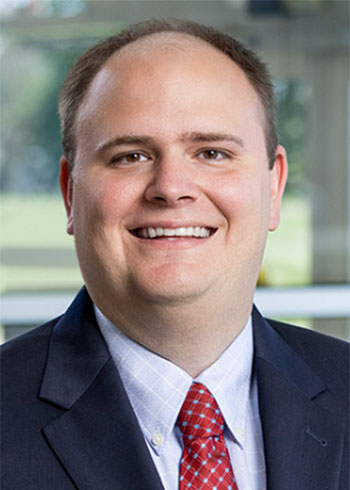
“For years, one of the main focuses of elder law has been asset protection for our clients who move to assisted living or nursing homes,” according to Jon Fischer, an attorney with McCarty Law LLP in Appleton and chair-elect of the State Bar’s Elder Law and Special Needs Section.
“Recently, many facilities have started to impose ‘private pay timelines’ on their residents – essentially limiting when our clients can apply for public benefits to support their care.
“Looking forward, elder lawyers are focused on whether the changes to Medicaid passed in the One Big Beautiful Bill will go into effect as currently planned.
“With the proliferation of private pay timelines, elder lawyers have to focus on trying to match up our clients’ Medicaid eligibility with the end of their private pay commitment, while at the same time counseling clients on how things might change in the future.”
Employment Law
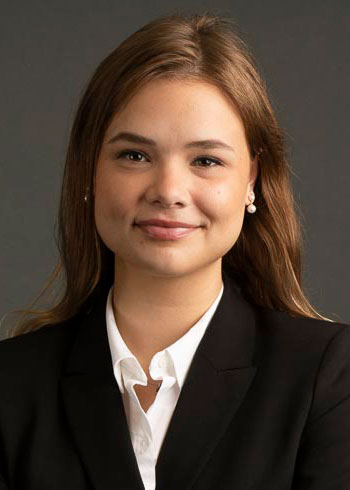
“Worker misclassification, i.e. when employees are treated as independent contractors, has become an increasingly common issue in Wisconsin,” said Naomi Swain, an employment lawyer at Hawks Quindel S.C. in Madison and chair-elect of the State Bar’s Labor & Employment Law Section. “Complaints and audits show a steady rise in misclassification, particularly in construction, gig work, and service industries.
“The Wisconsin Department of Workforce Development has stepped up outreach, education, and enforcement, warning that misclassification can deny workers unemployment benefits, worker’s compensation, wage-and-hour protections, and employer-paid taxes while giving some employers an unfair competitive advantage.
“To strengthen enforcement, Assembly Bill 462 was introduced in 2025. The bill would increase penalties, including fines of up to four times unpaid insurance premiums or $4,000 per violation, remove caps on per-employee penalties, and expand reporting and tax requirements for construction employers.
“Employers might consider reviewing their worker classifications now, as enforcement is rising and AB 462 could substantially increase liability for noncompliance.”
Environmental Law
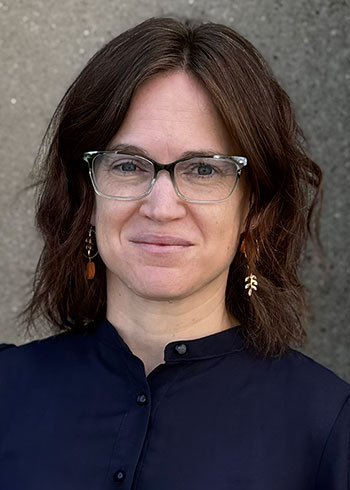
“Long-standing federal environmental laws like the Clean Air and Clean Water Acts are on the chopping block, so other governmental bodies will need to play a more prominent role if they seek to fill regulatory gaps,” said Tressie Kamp, assistant director at the Center for Water Policy at U.W.-Milwaukee and chair-elect of the State Bar’s Environmental Law Section.
“Bipartisan concerns surround issues like AI data centers, not based ‘just’ on concerns about clean air or water but also based on economic impacts like costs to ratepayers.
“State, local, and tribal governments will need creative approaches to address these problems. As an example of local governments filling regulatory gaps, local leadership and investment in wetland restoration helped protect people and infrastructure during historic Milwaukee flooding in the summer of 2025. In the year ahead, it will be as critical as ever to effect change through diverse and new approaches.”
Family Law

“More divorcing spouses are either owning their home together or granting a longer time for the spouse receiving the marital home to refinance the other person’s name off the home loan,” according to Paul Stenzel of Hanson & Hildebrand S.C., Milwaukee, and chair of the State Bar’s Family Law Section. “This is almost always for financial reasons and mostly because people want to keep their low mortgage-interest rates.
“Gray divorce continues to be a trend. Generally defined as couples over 50 years of age, objective statistics and individual observation bear out the increase. One thing I’ve noticed is better attention to the young adult children in these situations. Although adult children are legally not a part of the divorce, divorcing couples with adult children can still have anxiety or questions about how to talk to them about the divorce. Child and family specialists are a big help here.
“Finally, similar to helping with adult children, I think there is a small but growing trend of trying to pay more attention to the human aspects of divorce. The most recent example of this is 2025 Wisconsin Act 40, which was effective Nov. 1, 2025. The law gives courts the option to forego holding a final hearing and approving the divorce based on affidavits from the parties. What lawyers view as a formality can be incredibly stressful and anxiety inducing for clients. It burnishes our reputation as problem solvers if we can make the law work better for people without sacrificing fairness or protection of rights.”
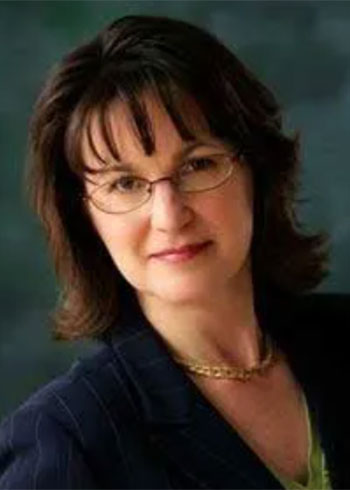
“An unscientific estimate is that at least 50% of divorces and more than 50% of paternity actions involve self-represented parties,” added Ann Brandau, a family law mediator at Brandau Law Office LLC in Onalaska and a member of the State Bar’s Dispute Resolution Section board.
“Many are attempting to use artificial intelligence (AI) to assist them in completing forms and negotiating agreements. While AI has given self-represented parties more resources, that does not translate into actual knowledge or understanding of the legal system or the intricacies of family law. Family law mediation still fills the gap for many self-represented and represented couples.
“The self-represented still seek out mediation for 1) education; 2) if the mediator is a licensed attorney, drafting of documents for court approval; and 3) cost savings.
“The trend may be that AI can assist with drafting but it still lacks the ability to educate self-represented parties on the complexities that arise or what is actually necessary when providing financial disclosures.
“A mediator can often steer parties to disclose full information so that a properly drafted marital settlement agreement will be submitted to the court. Until AI can challenge the information provided, mediators will continue to serve a vital role in assisting parties to resolve their disagreements and find respectful and equitable solutions as they dissolve their relationship and establish ground rules for the future.”
Health Law

“Health law has many topics currently vying for the top spot; however, rural healthcare takes the lead this fall, notably due to the new federal Rural Health Transformation (RHT) Program initiative and a consistent decline in the number of physicians practicing in rural communities,” said Leah Reudinger, an attorney with the Wisconsin Department of Health Services in Madison and chair of the State Bar’s Health Law Section.
“Within the RHT Program, the Centers for Medicare and Medicaid Services (CMS) will award $50 billion to approved states over five fiscal years. RHT seeks to provide workforce development to rural communities, drive innovative care models to improve coordination of care and health outcomes, and promote innovative technologies.
“Applications for RHT must address how the state would expand access, enhance quality, and improve outcomes. As of the November deadline, all 50 states have applied for RHT program funding. Awardees are notified by Dec. 31, 2025, of their funds.”
Indian Law

“Tribal Nations are sovereign governments with unique political relationships with the federal government,” said Robert Lundberg, an attorney with Earthjustice and chair of the State Bar’s Indian Law Section. “They also provide a wide range of services in their communities.
“Given the federal government’s many obligations to Tribes enshrined in treaties, statutes, and its general obligations as a trustee, Tribes rely on numerous sources of financial and technical support and partnership from federal agencies. In 2025, we saw the canceling of many federal funding sources and firing of federal workers, as well as a historic government shutdown.
“These realities threaten the capacity of Tribes to continue the wide range of government operations and services they provide, which in many cases benefit Native and non-Native residents alike. These challenges, following on from the public health, financial, and logistical challenges Coronavirus has caused, will likely push Tribal governments to contin-ue pursuing robust alternate systems of support, so that Tribes can continue to be leaders in many ways.”
Intellectual Property

“2025 brought in a new director at the United States Patent & Trademark Office (USTPO),” said Erin Kaprelian of Jones Robb PLLC, Virginia, chair of the State Bar’s Intellectual Property and Technology Law Section.
“Since his confirmation, John A. Squires has made several changes to USPTO practice. These changes include affirming that AI innovations should not be categorically excluded as ineligible for patent protection under [35 U.S.C. section] 101 and announcing that he would be the final arbiter for whether IPR [inter partes review] proceedings are instituted. Both represent substantial changes to USPTO practice going forward, with impacts being analyzed in the year ahead.
“In the AI space, Anthropic AI, the defendant in a class action lawsuit alleging that Anthropic’s use of copyrighted books to train their large language model (LLM) was infringing, settled with the group of authors who brought the suit. In view of this settlement, the ongoing evolution of the interplay between AI and IP-protected works will continue to be watched.”
International Law
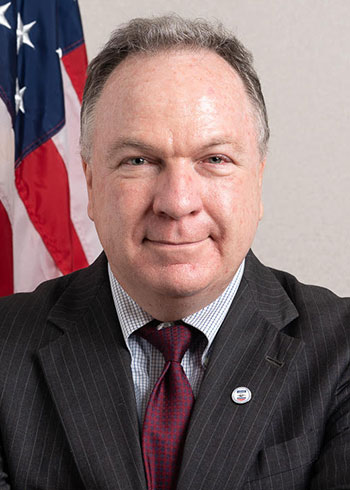
“The U.S.’s recent pivot away from multilateral institutions is reshaping the international law landscape,” notes attorney Steven Hendrix, managing director of global consulting firm Hendrix LLC, Stevens Point, and chair of the State Bar’s International Practice Section.
“The United Nations and its agencies face funding reductions, while the World Trade Organization and the United States – Mexico – Canada Agreement (USMCA) reflect a renewed U.S. emphasis on sovereignty and unilateral enforcement.
“At the same time, export controls and sanctions have expanded across sectors, signaling a trade-policy shift in which compliance risk now rivals opportunity. The dismantling of the U.S. Agency for International Development (USAID) has opened space for China and Russia to expand their global influence through infrastructure and finance initiatives.
“Domestically, immigration policy is tightening: the U.S. foreign-born population declined by more than one million in early 2025, even as migration from Latin America and Africa grows amid conflict, climate stress, and weak governance.
“For Wisconsin practitioners, these trends converge into a single reality – where trade, sanctions, immigration, and human rights law increasingly overlap. Adaptability and cross-border fluency will define international practice in 2026 and beyond.”
Public Interest Law

“Going into 2026, one trend in public interest law will be the need to lean on our community,” said Morgan Gulledge, an attorney at Centro Legal in Milwaukee and a member of the State Bar’s Public Interest Law Section board.
“Over the past year, nonprofits and governmental organizations continued to face significant cutbacks in services. On top of the cutbacks, policies surrounding issues like immigration and public benefits have become ever changing. All of this has caused exponential growth in clients’ legal needs.
“To have the strongest impact on the largest number of people, public interest attorneys will benefit from tapping into the individuals and organizations within our community that have made themselves the experts in their field.
“Community again will help in boosting advocacy and education surrounding the topics most important to our clients. And last, but certainly not least, leaning on your community will help to avoid burnout, because now, more than ever, it is important to remember that we are not in this alone!”
Public Utilities

“Public utilities are increasingly dealing with the implications of interconnecting large power users like data centers and advanced manufacturing facilities,” according to Orrie A. Walsvik, an associate at Michael Best LLP in Madison and chair of the State Bar’s Public Utilities Section.
“These facilities challenge the traditional utility infrastructure (power lines, power plants, water supplies, natural gas supplies) in several ways. First, they exacerbate challenges with aging grid infrastructure, which was not designed for the modern power consumption of today. Second, they come at a time when the grid is struggling to replace old and inefficient generation with new distributed generation like solar and wind.
“Third, they come at a time in the state of Wisconsin when federal environmental regulations impact the ability to run generation resources all the time. Government and industry players in this space are focused on understanding how the current regulatory space captures these risks and what changes are necessary to distribute those risks appropriately while incentivizing development.
“In the meantime, developers of renewable energy, projects that are the closest to operation and can add power for these large loads in the near term, are struggling with quickly rewriting their funding schemes after the One Big Beautiful Bill Act terminated their ability to qualify for certain tax credits, placing projects on hold and causing increasing costs and delays.”
Solo & Small Firm

“The ubiquity of artificial intelligence (AI) has not spared the legal profession. Both Westlaw and LexisNexis offer subscriptions that harness the power of AI to assist all law firms in legal research, document review and summarization, drafting contracts, and a plethora of other duties,” said Nicholas Watt, partner at Kramer, Elkins & Watt LLC in Madison and treasurer of the State Bar’s Solo, Small Firm & General Practice Section.
“In particular, solo and small firms can increase their efficiency and output for clients by learning to effectively use AI in their legal practice.
“Of course, there are ethical and malpractice concerns in using this novel technology as well. Multiple jurisdictions have disciplined attorneys for filing briefs and motions with the court that contain nonexistent, AI-generated cases.
“At the Wisconsin Solo & Small Firm Conference this past October, several CLE presentations focused on how you or your firm can effectively manage the power of AI. Find a replay of these presentations or others to enhance the productivity of you and your firm.”
Sports & Entertainment Law

“With the expansion of NBA, NFL, and MLB international games in markets like Europe, Mexico, and the Middle East, and the growing dominance of international players in their respective leagues, the availability of games in international markets via streaming services, and teams’ expanding marketing strategies, many teams are seeing a drastic uptick in sponsorship agreements with international companies,” according to Jill Ingels, vice president of legal and business operations at Milwaukee Bucks Inc. and chair of the State Bar’s Sports & Entertainment Law Section.
“The growing international prevalence and popularity that professional sports leagues are having demonstrate to international companies the value of partnering with a professional sports team, even one halfway around the world.
“As in-house counsel for a professional sports team (or any company) partnering with an international company on a sponsorship deal, due diligence prior to entering into the agreement, and the contract language itself, is paramount.
“First and foremost, sports teams need to understand the international company’s corporate structure, ownership, and financial viability – we are no longer dealing with companies headquartered down the street that have been around for decades.
“Other considerations include determining how your company will need to comply with the patchwork of data protection laws that apply, the various intellectual property laws if logos are being licensed, and which country’s laws govern the contract.
“I expect to continue to see professional sports teams partnering with international companies in the coming years, and being equipped with an understanding of some of the legal challenges prior to entering into these deals will allow in-house counsel to better mitigate their company’s risks.”
Tax Law
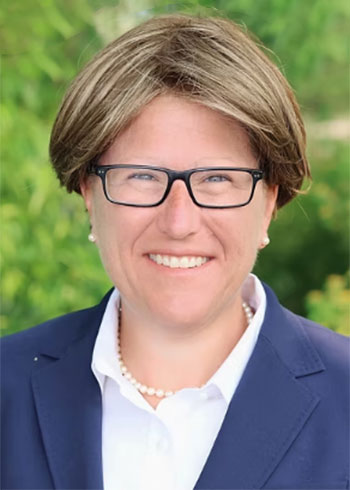
“The One, Big, Beautiful Bill (OBBB) was signed into law on July 4, 2025,” said Megan Heinzelman, a tax lawyer at Heinzelman Law & Tax S.C. in Mequon and a member of the State Bar’s Tax Law Section board. “The majority of the tax provisions go into effect in tax year 2025 (for tax returns filed in 2026) and some in tax year 2026.
“In particular, Section 1202 was expanded after having received limited legislative attention for more than a decade. This expansion allows 100% exclusion of gain from the sale of C corporation stock. OBBB created a new tiered holding period with graduated exclusions, a higher aggregate gross asset threshold, and an increased per-issuer gain exclusion cap. Taxpayers should ask their advisors whether their entity should be taxed as a partnership, S corporation, or a C corporation.
“Also notable is the enactment of the new savings account (the ‘Trump Account’). If used wisely, a Trump Account takes advantage of compounded growth as well as the $1,000 seed from the government.”
Legal Marketing Trends

“Legal marketing is shifting from outputs to outcomes,” says Ashley Stenger, CEO of the Legal Marketing Association (LMA), based in Chicago. “The best teams mix data, insight, and storytelling with content and materials built around what clients actually need.
“AI is speeding things up, but it’s not replacing marketers. Technology makes us faster, but human judgment, empathy, and trust still win the day. The firms that succeed will combine people and technology to coach lawyers, grow relationships, and create experiences that keep clients coming back.
“At LMA, we’re helping marketers and business development teams lead this change by building skills for new roles in data, client experience, and revenue growth.
“Legal will always be a relationship business, and marketers are the glue that holds it together. In 2026, expect more collaboration, personalized experiences across the board, and a sharper focus on impact backed by data.”
» Cite this article: 99 Wis. Law. 10-16 (January 2026).
