May 13, 2026 – The lawyers entering practice at the red, white, and blue peak of the Bicentennial navigated challenges similar to today – gaining trial experience, finding one’s path, and discovering the benefits of rural practice.
This illustrious class includes former Wisconsin Supreme Court
Chief Justice Ann Walsh Bradley and two former State Bar of Wisconsin presidents, Diane S. Diel of Milwaukee and Susan R. Steingass of Madison.
State Bar members approaching their 50th anniversary of practice have distinguished themselves in their careers and communities. Now these lawyers each bring a half-century of wisdom they are eager to share.
Participating in History
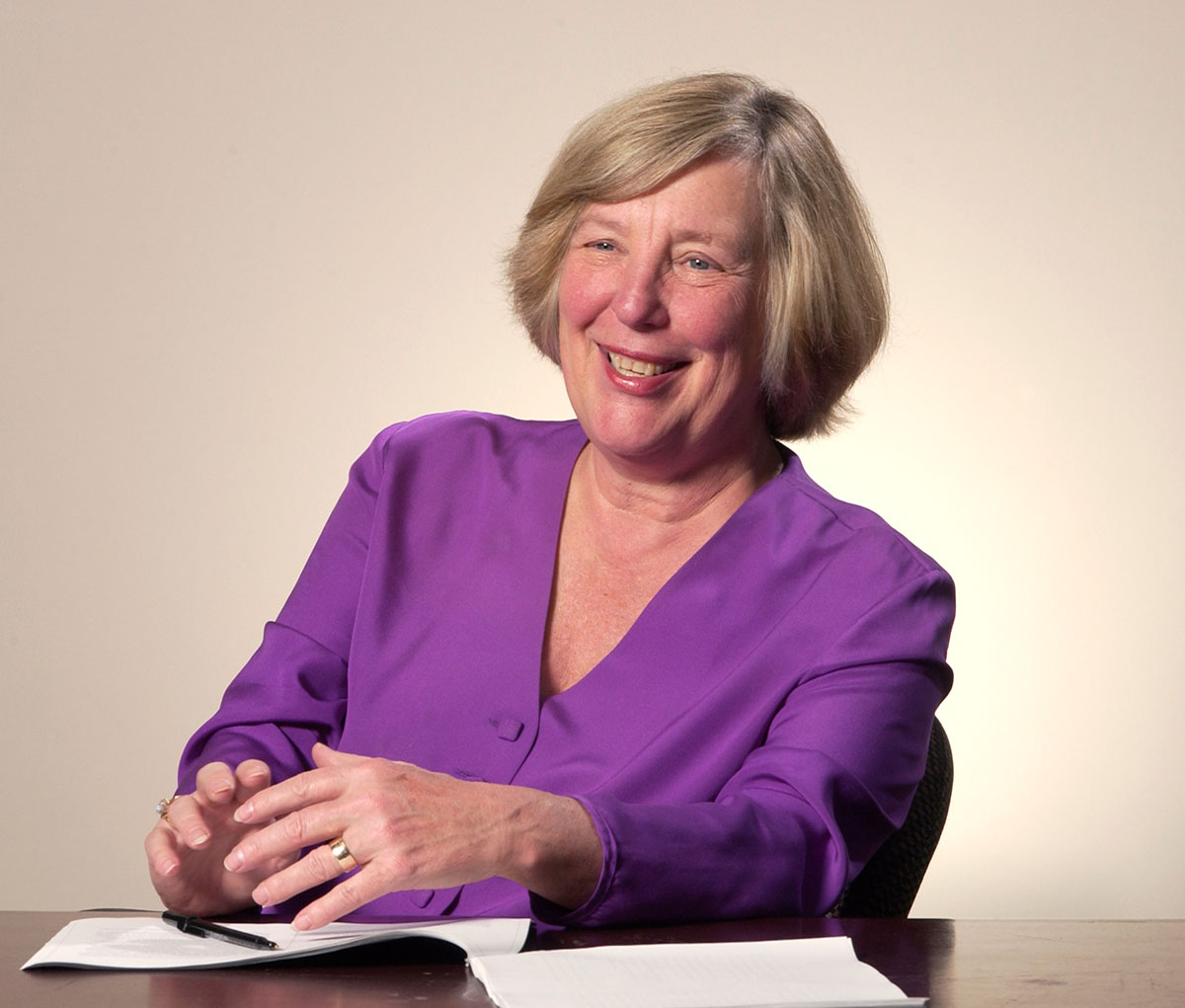
Susan R. Steingass, photo courtesy of University of Wisconsin Law School
When Steingass became the State Bar’s second woman president in 1998, she faced the project of developing the new State Bar Center.
The focus she chose for her term was more personal.
She emphasized women in the law, an appropriate topic as the State Bar recognized its sesquicentennial. The first
150 women members of the State Bar received special recognition at a large banquet celebrating their contributions.
Steingass participated in that history.
Arriving at the University of Wisconsin (U.W.) Law School after receiving a master’s degree in English and college teaching experience, Steingass, with her classmates, participated in the rising tide of women becoming lawyers.
She distinguished herself by doing as “well as I could in law school, so I’d have the largest number of options.”
Steingass’s career shows she found many opportunities: law clerk to Wisconsin Supreme Court Justice Nathan S. Heffernan, litigator at Stafford, Rosenbaum, Rieser & Hansen in Madison and Habush, Habush, Davis & Rottier in Madison, and Dane County Circuit Court judge for eight years.
She concluded her career where she began, at the U.W. Law School as a lecturer in trial-related subjects.
Along the way, she benefited from mentors and her ability to try something new.
“Be practical about what you want to do, and take the number of risks that feel comfortable to you,” Steingass advised.
“Law is solving problems,” Steingass said, “and it’s the most satisfying of it in a lot of ways, whether you do it by trial or by bringing realism to an issue with a client.”
Ethos of Practice
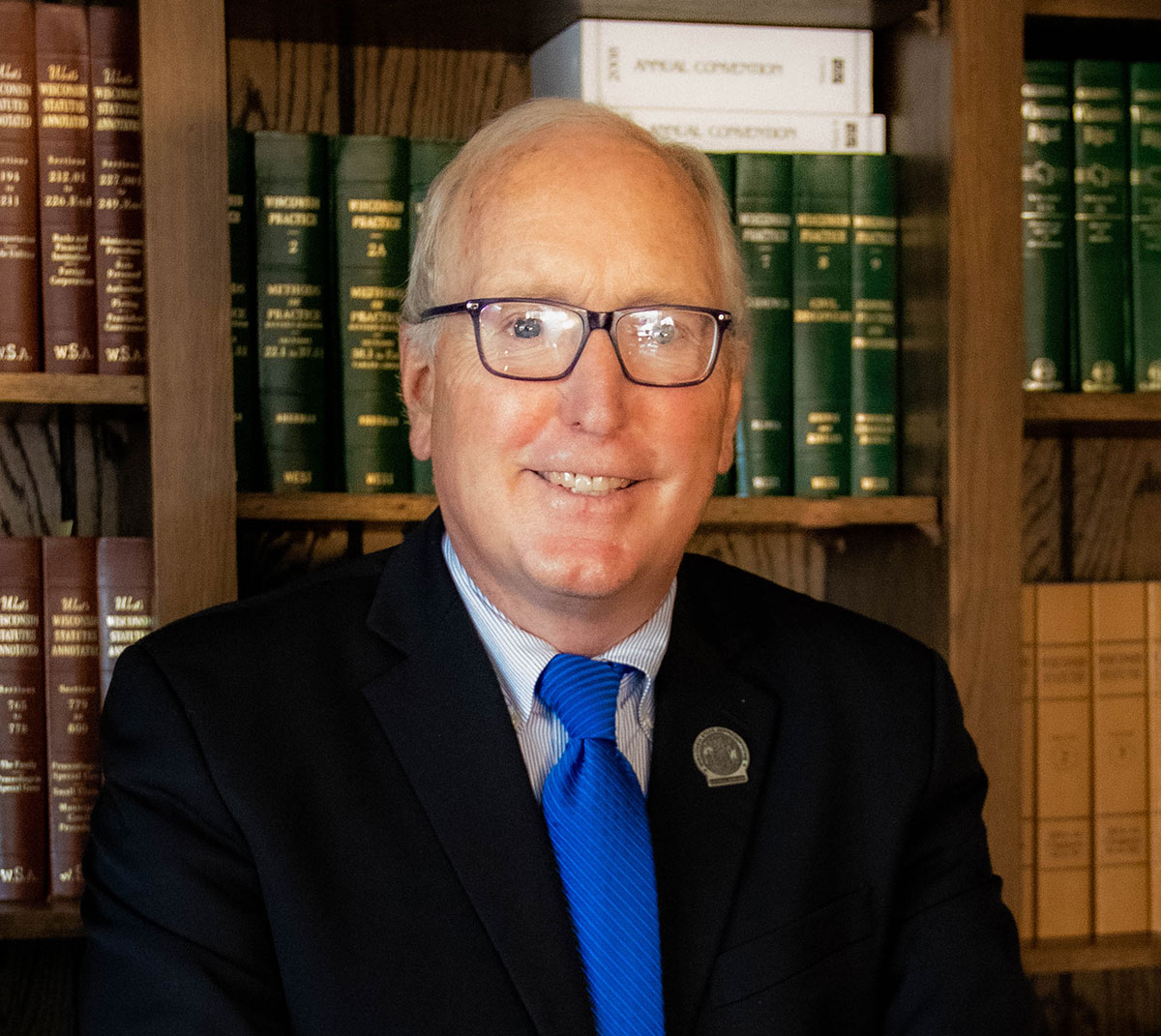
Gary Alan Hebl
Gary Alan Hebl’s career has included many highs – one of them literal.
He’s shaken the hand of U.S. Supreme Court Justice Ruth Bader Ginsburg, engaged in conversation with Wisconsin Supreme Court Chief Justice Shirley Abrahamson, and appeared before the Wisconsin Supreme Court.
He’s also represented his client at a deposition on the 100th floor of the Sears Tower in a case involving Freddy Fields and Marshall Fields V.
Hebl’s firm, Hebl & Hebl, LLP in Sun Prairie, is located about a mile from where he and his older brother, Tom Hebl, grew up.
When Gary started practicing law with his brother in 1976, Sun Prairie had only 1,500 people. Now it’s nearly 40,000 strong.
The firm has grown with the city, and Hebl has repaid the favor in public service to “reinforce what the community gave you.”
“Our number one goal is client satisfaction,” Hebl said. “There are times when potential clients come in and you know immediately that no matter what you do, you cannot make their life better. Their problems are not solvable by you.”
Experience has taught him that “this is not the client that’s going to make me a better lawyer, and I’m not going to make that client happy.”
 Jay D. Jerde, Mitchell Hamline 2006, is a legal writer for the State Bar of Wisconsin, Madison. He can be reached by
email or by phone at (608) 250-6126.
Jay D. Jerde, Mitchell Hamline 2006, is a legal writer for the State Bar of Wisconsin, Madison. He can be reached by
email or by phone at (608) 250-6126.
Best to decline that opportunity.
Similarly, if a potential client needs help “in an area that we don’t have strong knowledge, expertise or experience,” Hebl refers the individual to someone who does.
He wants to make sure the individual gets the best legal advice.
For the clients that Hebl can help, he empathizes with their plight.
“They’ve got an issue that is, to them, the center of their life. They need a solution to their problem as quickly as possible,” Hebl said.
“If we’re able to help them through that crisis, it’s not about the money. It’s about that satisfaction of solving their problem … to make sure that people leave here better than when they came in.”
“We’ve been pretty successful at doing that,” Hebl said.
“The other part of it, too, is to be very candid and honest with your client,” Hebl said.
“We try to be realistic, as candid, transparent as possible because ultimately, you want to be honest. You want to be truthful with your client, and they respect that.”
The office exudes these principles, from bright walls to a cheerful receptionist.
“The people I work with, the staff that we have, are fantastic. We’ve got a brilliant staff, and so I enjoy going to work,” Hebl said. “It’s not a job for me.”
‘Making a Difference’
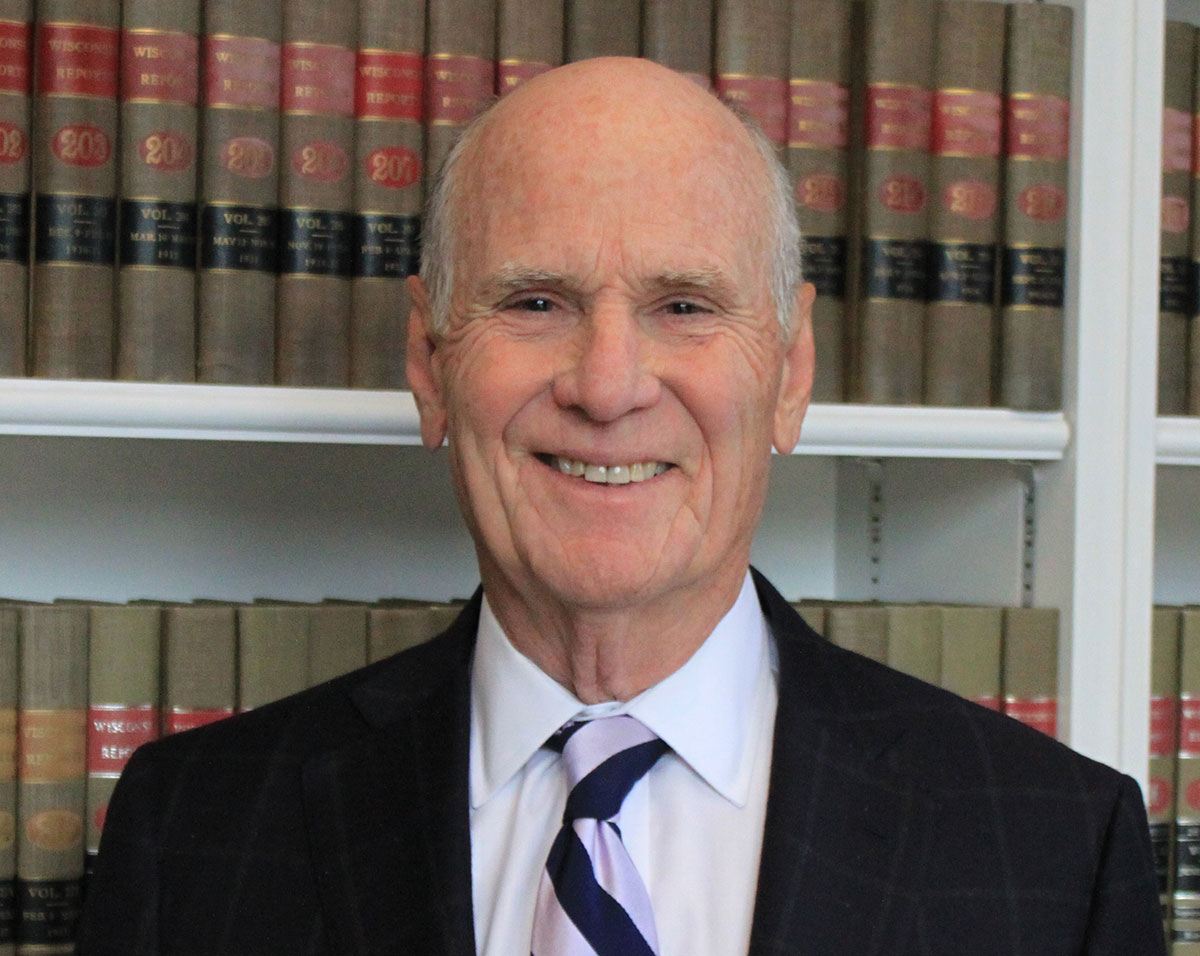
Patrick O. Dunphy
Patrick O. Dunphy of Cannon & Dunphy S.C. in Brookfield solved problems through trials that helped people after injuries. The benefits could extend to the community.
Dunphy entered Marquette University Law School with the belief “that a law degree was an opportunity to do something socially useful, and I look back on it, and I’d like to think that I did.”
Dunphy found his niche in litigation while serving as a law clerk to Judge John W. Reynolds of the U.S. District Court for the Eastern District of Wisconsin, where he saw great trial advocacy.
Litigation practice has changed since then, Dunphy noted. “There are far fewer trials than there used to be, they take up more time, and they are far more complicated.”
“If you want to get a lot of litigation experience right out of the box after graduation,” Dunphy said, go to work as a public defender, in a district attorney’s office, or “for a nonprofit like the Legal Aid Society of Milwaukee.”
“I believe that type of work will give you more opportunity to try cases, be in front of juries, be making court appearances on a very regular basis,” Dunphy explained.
In Dunphy’s career, he sought to provide access to the system and “make it a fair fight” for people in difficult times. The record shows he succeeded.
The verdicts didn’t just help a victim cover financial challenges resulting from wrongful injury.
In one instance, it resulted in thousands of pap smears receiving a second look so that other women wouldn’t face harm from negligent interpretation.
“Your practice as a lawyer is one of service,” Dunphy said. “It’s service to a client. It has to be all about the client, not all about you, the lawyer.”
That service Dunphy extended “to make a difference in the community in which you live,” using your professional skills to support nonprofit, religious, and educational organizations.
“We can make a difference. Sometimes we feel like Sisyphus, but we can make a difference.”
From Chicago to Richland Center
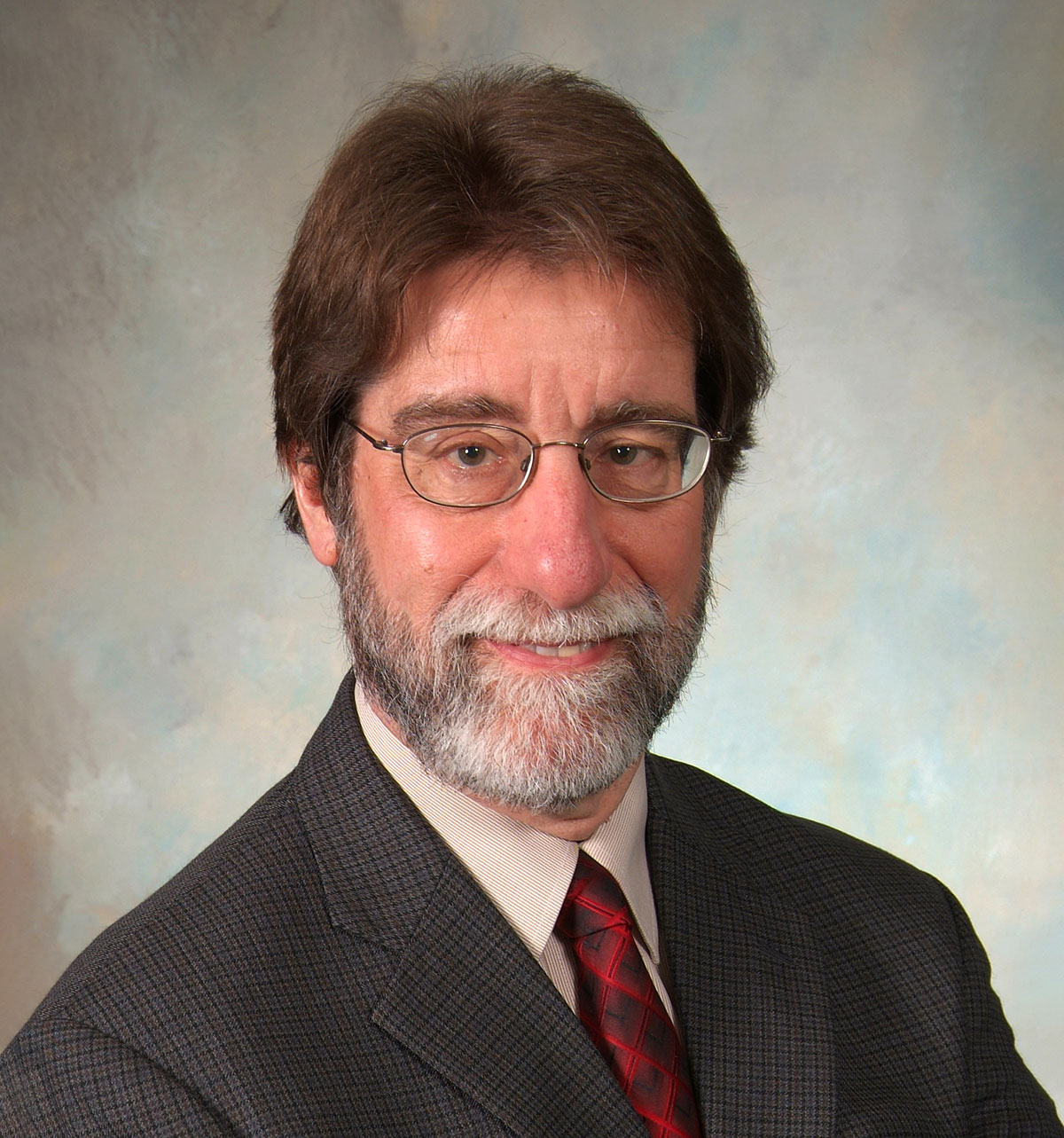
Edward E. Leineweber
At 24, Edward E. Leineweber of Lone Rock came from Chicago to Richland County “almost on a lark” to get out of the city, “and I’ve never had any desire to leave since then.”
After earning his degree at the U.W. Law School, he went to work in a small firm in Richland Center.
“I had a great legal secretary,” Leineweber remembered. “She was super, very experienced from other law firms elsewhere, and she gave me the file and pointed me in the direction of the courthouse and said, ‘It’s that way.’”
“I loved it,” Leineweber said. “I loved doing it. I took to it fairly quickly.”
Criminal defense, public defender appointments, and family law became an early focus, but Leineweber had a well-rounded rural practice, “an even mix of transactional work and litigation, always a lot of both.”
He went on to serve three terms as Richland County district attorney. Another opportunity placed him on the Richland County Circuit Court bench.
He’s wound down his Richland Center practice and works “semi-retired” for Fuhrman + Dodge, S.C. in Middleton.
A “generalist” – perhaps itself a specialty – can look at an issue from many practice area perspectives, Leineweber said. Associating with the right specialist can cover necessary details.
“You’re like the field marshal of this legal scenario, which you’re handling on behalf of a client. That is pretty enjoyable. It’s energizing.”
“I think there’s lots of young lawyers who would like the legal lifestyle in rural America if they gave it a shot,” Leineweber said.
“The nature of the work maybe is changing a little bit, but not that much, and there’s a lot of legal work to be done, and it’s pretty easy to succeed out here if you like the life.”
‘Into Court Immediately’
James P. Burnett
James P. Burnett grew up in the small town of Sparta. A job posting at Marquette University Law School brought him to a law firm in Chilton.
His early work in family law and criminal defense got him “into court immediately, and it was great training.”
From there, he has practiced in banking law and commercial litigation, working up to “very high-end personal injury cases.”
Burnett, of New Holstein, now works part-time advising on technical legal matters for DVO, Inc., a manufacturer of anaerobic digesters that are a source of green energy.
Rural practice made the difference.
“You get to be a partner quicker. You’re going to get firsthand experience. There may be small cases, but you’re going to be a first chair in cases at a young age.”
He also had the benefit of “a mentor by the name of Bob Lutz that was a very good trial lawyer,” Burnett said.
“You need to have a mentor,” Burnett advises new lawyers. “You learn the law, and you come out feeling pretty good, but the practicing of the law, and then becoming a businessperson” require a little more experience one can gain from someone else.
In 1976, his wife, who was from Milwaukee, wasn’t so sure about moving to a small town, but “she found it was a great place to raise kids, so we’ve been here ever since.”
Two of their children became lawyers, he said. They saw that Burnett’s practice in law “led to a happy life.”
“If you have good people, you have good partners, and you have good staff, it’s a wonderful way to make a living.”
