Sept. 9, 2026 — What are jurors paying attention to during a trial besides the evidence? And what can lawyers do to make their cases clearer, more credible, and easier for jurors to understand?
The answer begins with recognizing that jurors are watching much more than lawyers may realize, says trial attorney Timothy O’Brien of Bakke Norman SC.
“They’re watching everything.”
Drawing on extensive civil and criminal trial experience, O’Brien shared practical observations about credibility, courtroom demeanor, case organization, and the importance of presenting information from the jurors’ point of view.
O’Brien shared those lessons after presenting at the State Bar of Wisconsin’s
Annual Meeting & Conference as part of the session “In the Minds of Jurors: Using Juror Feedback for Better Outcomes.”
Jurors Are Watching Everything
Lawyers naturally focus on the evidence, witnesses, and arguments that will shape a verdict. But O’Brien said feedback from jurors shows they notice the broader courtroom environment, too.
 Peter Kraemer is Digital Communications Coordinator with the State Bar of Wisconsin. He can be reached by
email or by phone at (608) 250-6139.
That includes how lawyers interact with court staff, opposing counsel, witnesses, clients, and the judge.
“If a lawyer is dismissive of court personnel or if they’re being aggressive when there’s no reason to, jurors pick up on that,” O’Brien said.
Those observations may not directly determine a verdict, but they can influence how jurors receive and evaluate the lawyer’s presentation.
O’Brien gives similar advice to his clients. He reminds them that their conduct matters outside the courtroom as well.
“You’re on trial from the time you leave your house until you get back because you just never know who you’ll see,” he said.
For lawyers and clients alike, professionalism is not limited to the moments when testimony is being presented.
Credibility Starts with Being Yourself
Jurors may enter the courtroom with uncertainty or skepticism, including skepticism about lawyers themselves.
Attorneys can build credibility, O’Brien said, by avoiding the temptation to perform a courtroom persona that does not fit who they are.
“You have to be who you are,” he said. “If you try to be somebody you’re not, jurors will pick up on that.”
That does not mean lawyers cannot improve their presentation skills. But authenticity matters.
Just as important is keeping promises made to the jury.
“If you make a promise at the front end of the trial, you better deliver on that because if you don’t, they’re going to see that you’re not credible,” O’Brien said.
For lawyers at trial, that is a reminder to be deliberate about what they tell jurors they will prove or show during opening statements. An unfulfilled promise can become more than a missing piece of evidence. It can become a credibility problem.
Help Jurors Organize the Case
Trial lawyers may spend months learning every detail of a case. Jurors do not have that advantage.
“They’re coming in [and] know nothing about your case until they get there that day,” O’Brien said.
That makes organization essential.
O’Brien recommends breaking a case into understandable sections and using clear “signposts” to tell jurors what they are about to hear.
For example, a lawyer can signal that a particular witness or portion of an argument will address one specific part of the case. That allows jurors to understand where the information fits into the larger story.
Visuals can also help, particularly when the subject is technical or complex. O’Brien said he is not a strong advocate for relying heavily on PowerPoint presentations, but he does see value in using focused visuals that make an important point easier to understand.
If the subject is complicated, “break it down into smaller pieces,” he advised.
And perhaps most importantly: “Speak plain English.”
Did You Know? Wisconsin is Juror Appreciation Month
In September, the Wisconsin Court System, in collaboration with the State Bar of Wisconsin, recognizes jurors' vital role in our justice system. This month is dedicated to honoring the nearly 250,000 individuals summoned to serve as jurors in Wisconsin each year.
Learn more at
wicourts.gov/services/juror/appreciation.htm.
Tell the Story, Not Every Fact
One challenge for attorneys is deciding how much information jurors really need.
Lawyers know the record in detail, and they may understandably want to make sure every potentially important fact is presented. But more information does not necessarily make a case clearer.
“Lawyers tend to talk like lawyers,” O’Brien said. “We get so engrossed in our case that we think every fact has to be brought out.”
Instead, he suggested thinking about how people naturally understand stories.
“Hit the high points,” he said.
That may mean reducing the number of witnesses, avoiding unnecessary repetition, and focusing testimony on the facts that matter most.
It’s not about oversimplifying the case. The goal is to recognize that jurors are learning the case for the first time while lawyers have been living with it for months.
In that sense, O’Brien said, trial lawyers are effectively teaching.
Courtroom Demeanor Sends a Message
Respect was another recurring theme in O’Brien’s advice.
“Respect the system,” he said. “Respect the rules, respect the other side, respect the judge, and respect the jurors.”
That respect can be communicated through small actions.
O’Brien said he generally tries to be the first person standing when jurors enter the courtroom and the last to sit after they are seated. When making an objection, he stands.
Those behaviors help communicate that the proceedings matter.
“Use your body to show them that this is important,” he said.
The broader point is that jurors observe not only what an attorney says, but how the attorney behaves throughout the proceeding.
Three Practical Reminders for Your Next Trial
So, what are some practical takeaways for attorneys with cases headed to trial? O’Brien offered several.
“Be prepared. Keep it short. Keep it simple if you can,” he said.
And throughout the process, remember the people who ultimately must make sense of the case.
“Remember to be respectful of the people that are there and especially those jurors because they’re making the decision.”
For trial lawyers, juror feedback offers a useful reminder: effective advocacy is not only about knowing the facts and the law. It is also about credibility, clarity, organization, and respect.
Jurors are paying attention. The better lawyers understand what they are seeing and hearing, the better prepared they may be to present a case that jurors can follow and trust.
Prepare for Trial with these Resources
How to Select a Jury: Demonstrations by Experienced Trial Lawyers 2026

Jury selection is one of the most consequential (and underestimated) phases of a trial. The decisions made during voir dire can shape the outcome of a case before the first witness takes the stand. This demonstrative program gives you a rare front-row seat to watch accomplished trial attorneys conduct voir dire in a live mock courtroom environment, then explain the strategy behind their decisions.
Wisconsin Trial Practice
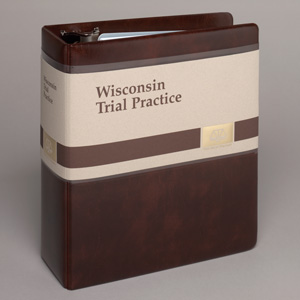
Researched and written by Wisconsin litigation attorneys, Wisconsin Trial Practice is an invaluable resource for any attorney who enters the courtroom, and a must-have for the practicing litigator. Designed with the trial process in mind, Wisconsin Trial Practice takes you through each stage of a typical trial in the order of occurrence.
In Minds of Jurors: Using Juror Feedback for Better Outcomes 2026

Jurors see and hear more than you might realize. Gain insight into how they interpret legal instructions, weigh evidence, and evaluate attorney credibility in civil and criminal trials. Drawing on real post-verdict feedback, a judge and experienced litigators share what resonates, what confuses, and what undermines persuasion — equipping you to refine your courtroom strategy and present your case in a way that aligns with how jurors truly deliberate.
Preparing for Your First Civil Jury Trial 2026

Drawing from the complete arc of a civil trial, Attorney Cristina M. Kerr walks you through what to do before trial begins, how to stay on top of your game during trial, and what steps to take once a verdict is reached.
Best Presentation of Evidence at Trial 2026

Examine the essential art of presenting compelling evidence in today’s courtroom. You’ll explore innovative tools alongside time-tested techniques, learning how to combine them to reinforce your theory of the case without detracting from it.
